The Meat Tray Mutual Fund: Inside Non-League Football's Half-Time Raffle
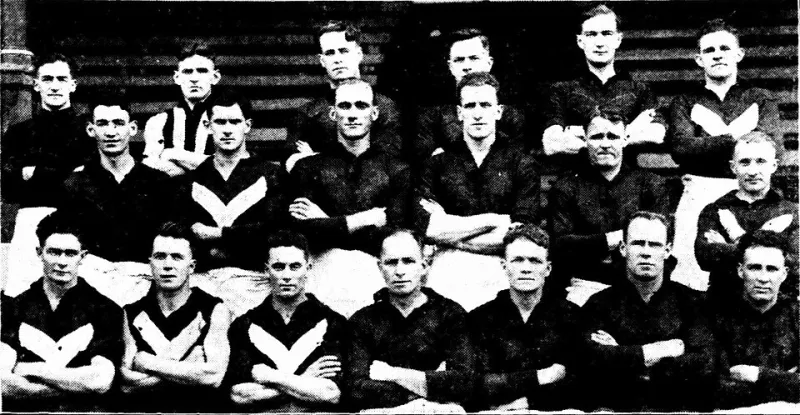
Photo: Anonymous photographer, Public domain, via Wikimedia Commons
The game is drifting towards a goalless draw, the wind is doing its best to remove the roof from the stand, and a bloke in a padded coat is moving through the crowd with a roll of blue tickets like a man conducting an orchestra only he can hear. Nobody is watching the football now. The half-time raffle has begun.
At non-league and grassroots grounds, the raffle is not a quaint add-on to the afternoon. It is the interval entertainment, the fund-raising engine and the social glue, often all at once. The prizes are stacked on a trestle table near the tea hatch: a meat tray from the local butcher, a bottle of whisky with a slightly sun-faded label, a box of biscuits, a club scarf, and something wrapped in cling film that could be a cake or could be a warning. It is theatre, economics and community memory in one damp corner of the clubhouse.
The bloke with the tickets knows everything
The raffle seller is usually the same person every home game. He knows which regulars buy a strip before they have taken their gloves off. He knows which away fans will buy one out of politeness. He knows the kid who always asks if the meat tray can be swapped for the whisky, and the grandmother who has been buying the same two strips since her late husband played for the reserves. He is not just selling chances. He is keeping a ledger of who belongs.
That is the part the modernisers miss. A QR code on a poster might raise money, but it cannot remember your name. It cannot ask after your knee, or rib you about the state of your car, or pretend to be scandalised when you ask for a lucky dip from the middle of the roll. The raffle works because it is inefficient in a very specific, human way.
Prize politics and the meat tray economy
The prize table is where the politics happens. A meat tray is the heavyweight champion of non-league raffles because it is useful, slightly extravagant and deeply local. A bottle of whisky is the classic second prize, unless it is the first prize at a club where the committee has decided the meat tray is too divisive. A box of biscuits is the honest workhorse. A signed ball is brilliant until you remember it has been signed by a squad that lost 4-0 to the reserves of a team two leagues below.
There is a hierarchy, and everyone knows it. The meat tray winner gets a round of applause and a photograph for the club social media. The whisky winner gets a nod and a few envious looks. The mystery bag winner gets a polite ripple and a quiet sense of foreboding. And the person who wins the club scarf they donated in the first place gets the loudest laugh of the afternoon.
Then there is the minor scandal that every club has had, or will have, or is currently pretending not to have: the same family winning twice. It is never proven. It is always discussed. The draw is done in public, the tickets are pulled from a bucket, and yet somehow the family that sells the most tickets, or runs the junior section, or has a nan on the committee, has walked away with the meat tray and the whisky. The accusations are made in the bar afterwards, half-joking, fully serious. The raffle is not corrupt. It is just suspicious in the way all small institutions are suspicious.
What the raffle actually pays for
A good half-time raffle at a non-league ground can bring in a few hundred pounds. Not glamorous money. Not television money. But the kind of money that pays for referee fees, kit washes, petrol for the team minibus, or the electricity bill that arrives after a run of home games in December. At grassroots level, it might fund a set of new balls, a first-aid refill, or the junior team's end-of-season trophies.
That is why the raffle seller matters more than the average spectator realises. The volunteer with the ticket roll is not just raising funds; they are holding together the fragile arithmetic of a football club that probably should not exist on paper. The meat tray is not a prize. It is a subsidy with gravy.
The draw is the real second half
When the numbers are read out, the room goes quiet. People check their tickets with the seriousness of customs officers. A child holds up a strip and asks if they have won. A man in the corner claims he never wins, then checks his ticket three times. The microphone crackles. The winner is not present. The winner is in the toilet. The winner is, somehow, the same family again.
And then it is over. The tickets go in the bin, the meat tray is carried out to a car, the whisky is opened or saved for Christmas, and everyone drifts back to the cold for the second half. The football resumes. But the raffle has already done its job. It has turned a muddy Saturday into a shared ritual, and reminded everyone that the club is not just the eleven players on the pitch.
Don't modernise the soul out of it
There is nothing wrong with card payments and online fund-raising. Clubs need every pound they can get, and a volunteer who can take a contactless donation is a useful volunteer. But there is a difference between making the raffle easier to run and turning it into a transaction. The half-time draw is not a product. It is a conversation with a prize attached.
So next time you are at a non-league ground and the bloke with the blue tickets comes round, buy a strip. Not because you are desperate for a meat tray. Not because you think you will win the whisky. Buy one because you are paying into the odd, inefficient, deeply human mutual fund that keeps a football club alive. And if the same family wins again, at least you will have something to talk about in the bar.